

What’s actually selling right now from my LEGO inventory?
I always find articles like this more interesting than some theoretical list of “the ten best LEGO Investments.” So today, let’s take a practical approach: Which sets are actually selling out of my inventory right now? What’s selling well, what’s been sitting on the shelf for a while—and what insights might you take away from this for your own strategy?
My approach to this has been pretty simple for years. I set a target purchase price for a set, buy it at the best possible discounts, and then often don’t touch the items at all for one to two years. For me, this isn’t a “get rich quick” scheme—it’s more like “get rich slow.”
Harry Potter continues to run very reliably on my computer
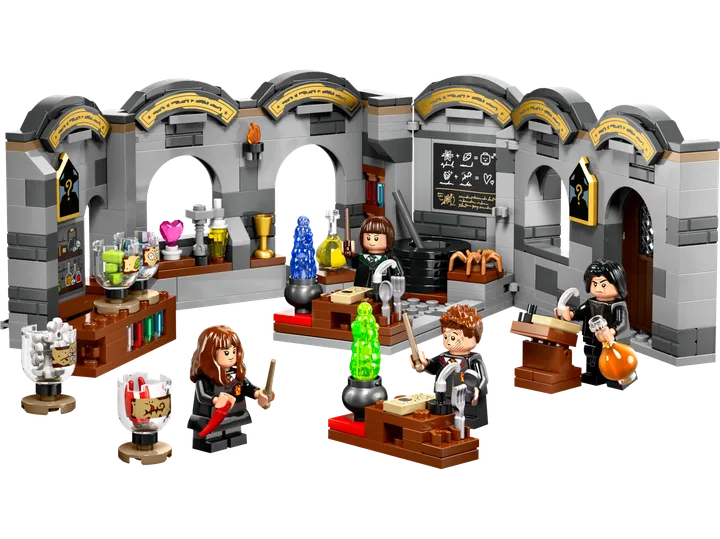
One set that’s selling surprisingly well right now is the LEGO Harry Potter 76431 Hogwarts Castle: Potions Class. It was precisely with small sets like this that I found the premise interesting back then: a reasonable purchase price, well-known characters, and a theme that’s been a hit for years.
The situation is similar with the LEGO Harry Potter 76430 Hogwarts Owlery . At times, you could buy this set at a discount of about 38 to 40 percent. If you shop this way and then just be patient, the retail price doesn’t have to work any miracles.

LEGO City: Boring on paper, but often good for that very reason
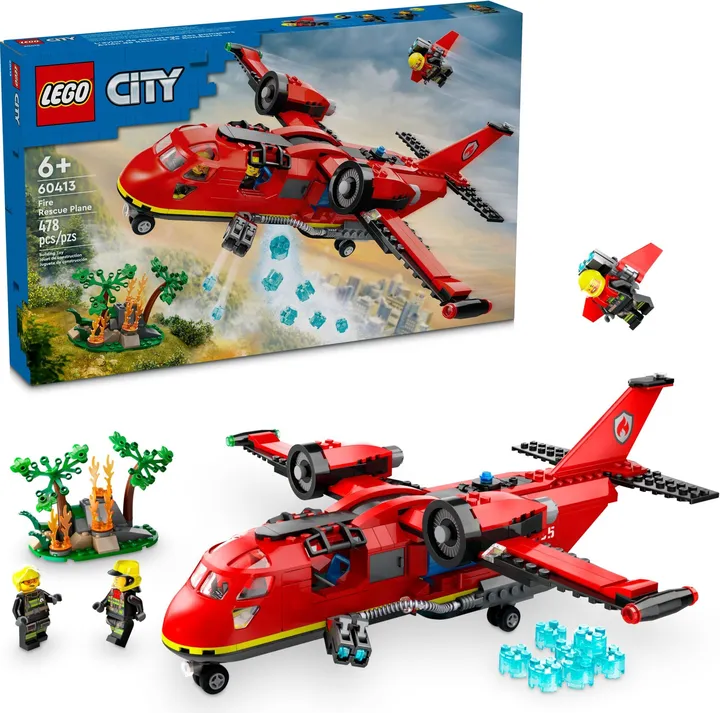
Also, the LEGO City 60413 Firefighting Plane is a bestseller for me. Back then, it was just a great City set to me: fire department, airplane, kid-friendly theme—nothing exotic, but it’s exactly these kinds of sets that often perform surprisingly well.
Here, too, the most important factor was once again the purchase price. If I can get a set at a really good discount, I don’t need it to appreciate in value by an absurd amount later on for it to be worth it.
For me, Marvel is actually more of an exception right now
At Marvel, on the other hand, things are looking much tougher right now. That doesn’t mean nothing is selling there. The LEGO Marvel 76290 Avengers vs. Leviathan , for example, is definitely selling well.
Overall, though, I’ve held onto some Marvel sets for much longer than Harry Potter or City sets. To me, that’s exactly what investing is all about. Not every theme and not every set appreciates at the same rate. That’s why I would never bet everything on a single set or a single theme.
One Piece: Luffy Can Stay in Bed a Little Longer
An interesting example is the LEGO BrickHeadz 40799 Monkey D. Luffy figure. I was able to get a few of them very cheaply back then. They’ve been sitting around for about a year now—and that’s not a problem for me at all.
“One Piece” enjoys enormous popularity and has garnered even more attention thanks to the series. That’s why I personally don’t feel any time pressure at all here. If a set hasn’t completely skyrocketed in value after twelve months, I don’t consider it a bad Investment.
Dinosaurs still make sense to me
Just yesterday, I was talking to someone in the chat about this again: Dinosaurs always seem to sell, one way or another. A good example is the LEGO Jurassic World 76948 T. rex & Atrociraptor: Dinosaur Breakout.
But here, too, the same rule applies to me: The profit is made at the time of purchase. If I buy something that’s too expensive, even a great topic won’t automatically save me later on. If, on the other hand, I buy it at a steep discount, I have much more leeway.
My Strategy: Time Over Hype
That’s really the whole idea behind my strategy. I don’t try to predict which stock will skyrocket in six months. I want to invest wisely, diversify, and be in it for the long haul.
Of course, there are always sets that you later regret not buying more of. With others, you’re glad you only got a few copies. And sometimes a set just sits in storage for six or eight years before it really comes into its own.
But that’s exactly why I spread my investment across many different sets and themes. That way, I’m not dependent on a single model necessarily working out.
To me, LEGO Investment is “Get rich slow.”
Personally, I like to compare this to a long-term ETF strategy. When it comes to stocks, no one talks about getting rich after six months. For me, LEGO works the same way: buy, hold, and don’t nervously check the price every day.
In my own past LEGO purchases and sales, this strategy has worked very well over the long term—even when I factor in storage, sales fees, and other incidental costs. Of course, this is just my personal experience and no guarantee that every set or portfolio will perform the same way.
That’s exactly why I think data is so important. In the Brick-Tracker Investment Tool, you can enter your sets along with their purchase price and quantity, and then track how your Collection or inventory is growing.
Go to the Brick-Tracker Investment Tool
Compare the Latest LEGO Top Deals
My Conclusion
When I look at the current sales from my inventory, it once again confirms exactly what I’ve been doing for years: a good purchase price, a wide variety of sets, and patience.
You don’t have to hit the jackpot with every Investment. If enough of your Investments are performing solidly and you can give the bad ones time to recover, the whole process becomes much less stressful for me. And that’s exactly why my strategy remains the same: buy low, diversify, and then just let them ride.